
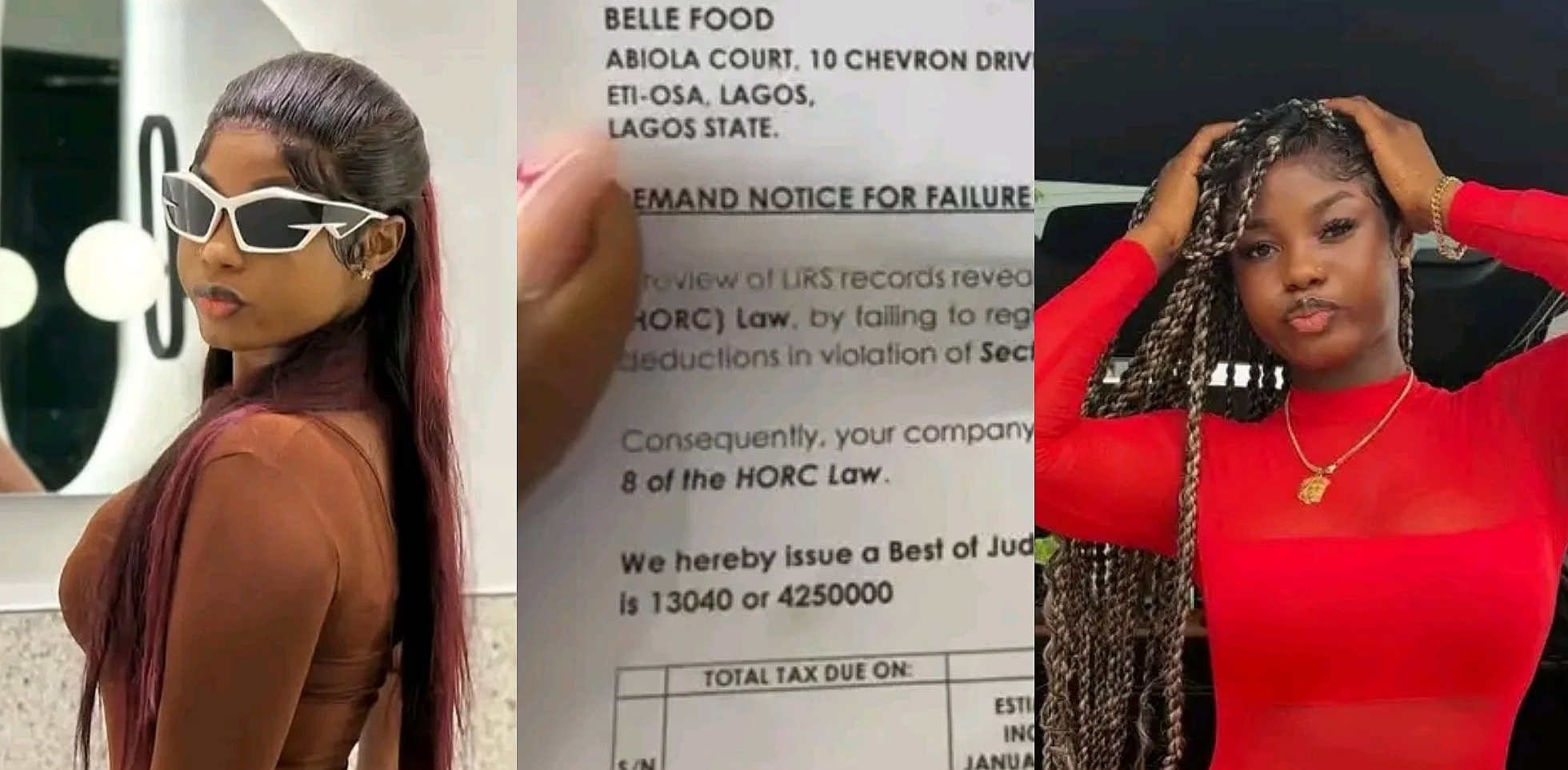
As a content creator in Lagos, I never thought I’d be facing a tax demand of over ₦12 million, it’s a harsh reality check
I still remember the day I saw King Mitchy’s Instagram post about her Lagos State Tax demand, I was shocked to see the amount, ₦12 million, it’s a staggering figure. The popular Nigerian content creator was recently embroiled in a highly publicized online controversy with VeryDarkMan, but this tax demand has taken the spotlight.
As a Nigerian influencer, Lagos State Tax is a reality we all have to face, but the amount King Mitchy was asked to pay is unprecedented. According to her, she was taxed ₦12 million, dismissing her earlier claim of earning ₦1 million daily as mere online banter.
Can Nigerian Influencers Afford Lagos State Tax Demands?
The question on everyone’s mind is, can Nigerian influencers afford these massive tax demands? King Mitchy’s situation is not unique, earlier, Peller, a prominent Nigeria TikToker, was requested to pay ₦36 million in income tax by the Lagos State Government.
How Do Lagos State Tax Laws Affect Online Content Creators?
The Lagos State Government has made it clear that any individual earning income within the state, whether physically or online, is required to pay tax, citing Section 24 of the Nigerian Constitution. This means that online content creators, like King Mitchy and Peller, are not exempt from paying Lagos State Tax.
“They said I sold drinks N33M food N82M . I sell and give the money to less privileged living in Lagos. I don’t have 1 kobo” King Mitchy said in a series of Instagram posts, expressing her frustration with the tax demand.
As the Nigerian entertainment industry continues to grow, it’s essential for influencers to understand their tax obligations. According to a report by Pulse.ng, many Nigerian influencers are unaware of their tax responsibilities, which can lead to hefty fines and penalties.
What Are The Consequences Of Not Paying Lagos State Tax?
The consequences of not paying Lagos State Tax can be severe, from fines to even imprisonment. It’s essential for Nigerian influencers to prioritize their tax obligations and seek professional advice to avoid any issues.
FAQ: Lagos State Tax For Influencers
What is the tax rate for influencers in Lagos State?
The tax rate for influencers in Lagos State varies, but it’s generally around 10% to 20% of their annual income.
How do I pay my Lagos State Tax as an influencer?
You can pay your Lagos State Tax online or through a tax consultant, it’s essential to keep records of your income and expenses to ensure you’re paying the correct amount.
Can I appeal a Lagos State Tax demand?
Yes, you can appeal a Lagos State Tax demand, but it’s essential to seek professional advice to ensure you’re following the correct procedures.
As I read through King Mitchy’s Instagram posts, I realized that Lagos State Tax is a reality we all have to face, it’s not just about the amount, it’s about being responsible and aware of our tax obligations. Whether you’re a seasoned influencer or just starting out, it’s essential to understand the tax laws and regulations in Lagos State.
The Nigerian entertainment industry is growing rapidly, and with that comes new challenges and responsibilities. As influencers, we have to be aware of our tax obligations and take steps to ensure we’re complying with the law. You can learn more about Lagos State Tax laws and regulations on the Vanguard website or by visiting the Lagos State Government website.
In a recent interview with The Punch, Don Jazzy spoke about the importance of financial literacy for young Nigerians, including understanding tax obligations. It’s essential for Nigerian influencers to prioritize their financial education and seek professional advice to avoid any issues with Lagos State Tax.
As the debate around Lagos State Tax continues, one thing is clear, Nigerian influencers have to be aware of their tax obligations and take steps to comply with the law. You can read more about the latest developments on NAN or Guardian Nigeria.
In the end, it’s not just about the amount of Lagos State Tax we have to pay, it’s about being responsible and aware of our obligations as influencers. As I look to the future, I’m excited to see how the Nigerian entertainment industry will continue to grow and evolve, but for now, it’s essential to prioritize our tax obligations and take steps to comply with the law.
